PlayForward
Costa Rica
A community-led initiative strengthening recreation, environmental responsibility, and resilient community infrastructure.
- Community recreation
- Community infrastructure
- Recycling-center feasibility

TOMA BAṜRE EDUCATION
TOMA BAṜRE Education works alongside local leaders, fellows, technical professionals, community organizations, and funding partners to advance sustainable education, workforce, humanitarian, and community infrastructure initiatives.
Our Framework
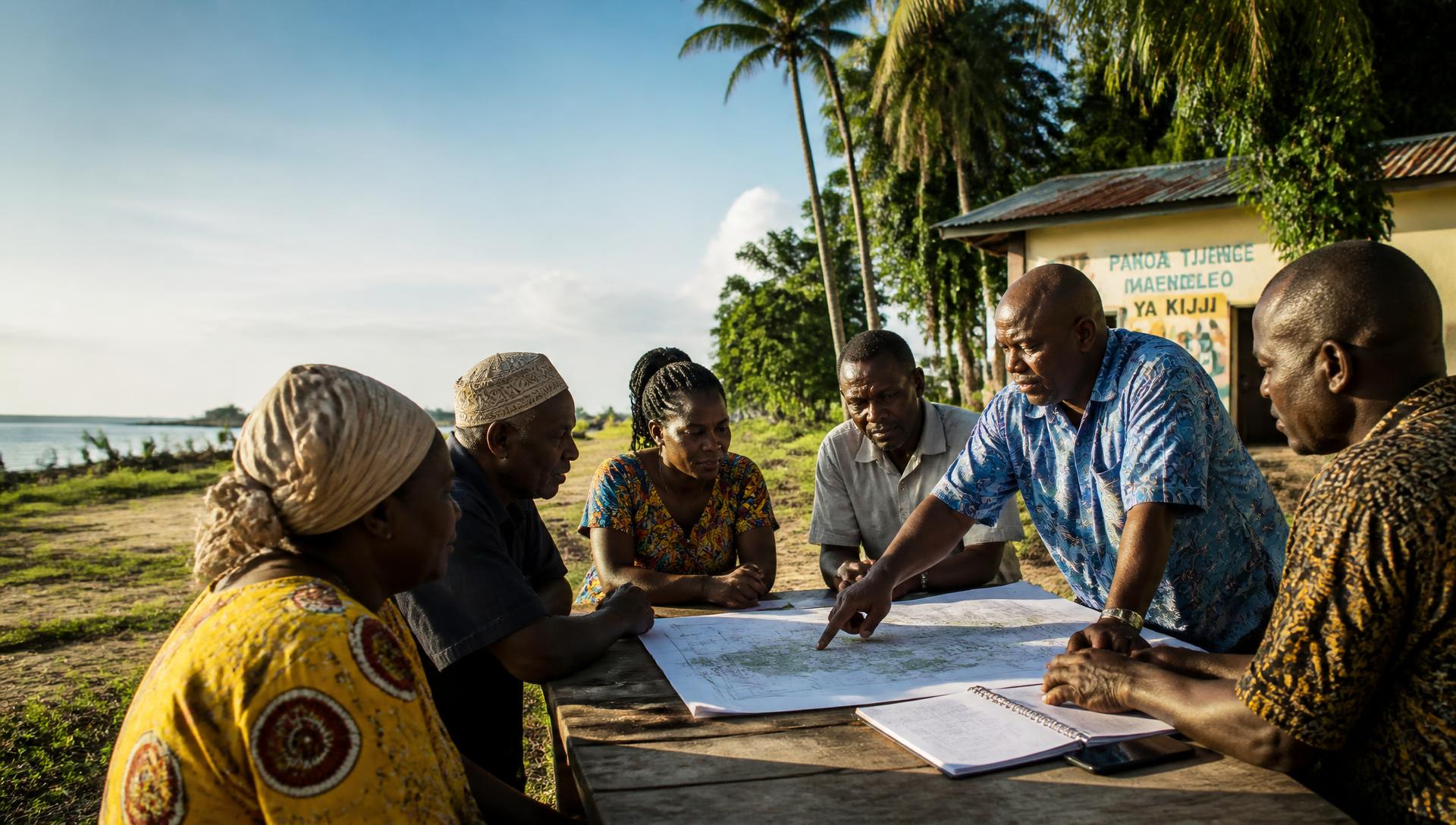
Our global projects begin with priorities identified by local communities. TOMA BAṜRE Education provides a structured framework through which research, fellowship talent, technical expertise, local leadership, financial oversight, and institutional partnerships can come together around a viable community initiative.
Every accepted project is evaluated for community support, feasibility, financial transparency, measurable impact, qualified oversight, and long-term stewardship. Our goal is not to impose outside solutions, but to strengthen initiatives that communities are prepared to lead and sustain.
Global Projects
Explore the initiatives currently moving through TOMA BAṜRE Education's project development framework.

Costa Rica
A community-led initiative strengthening recreation, environmental responsibility, and resilient community infrastructure.

Afghanistan
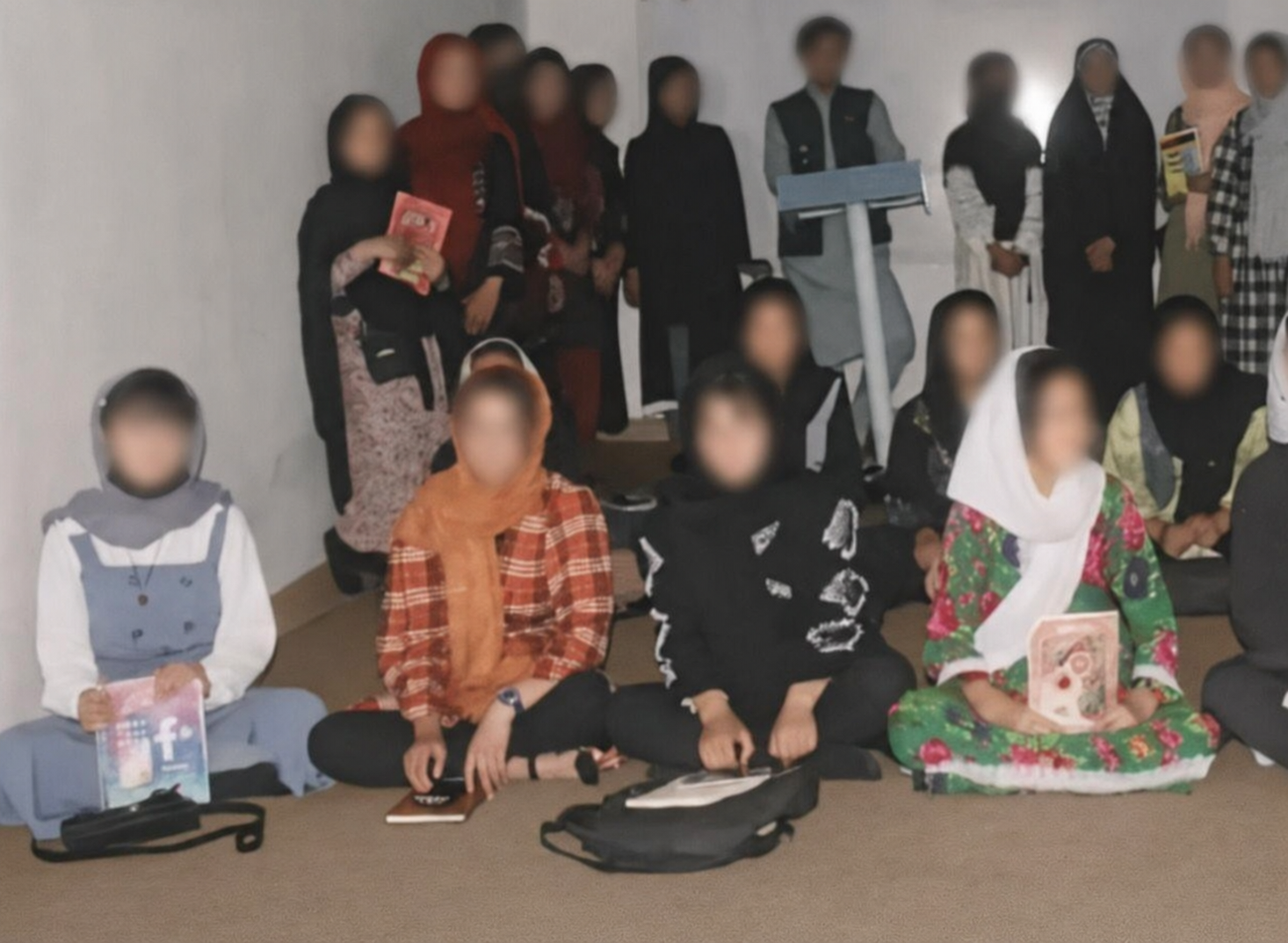
Building language and academic communication skills that help Afghan girls and youth pursue education and opportunity across borders.

Sudan
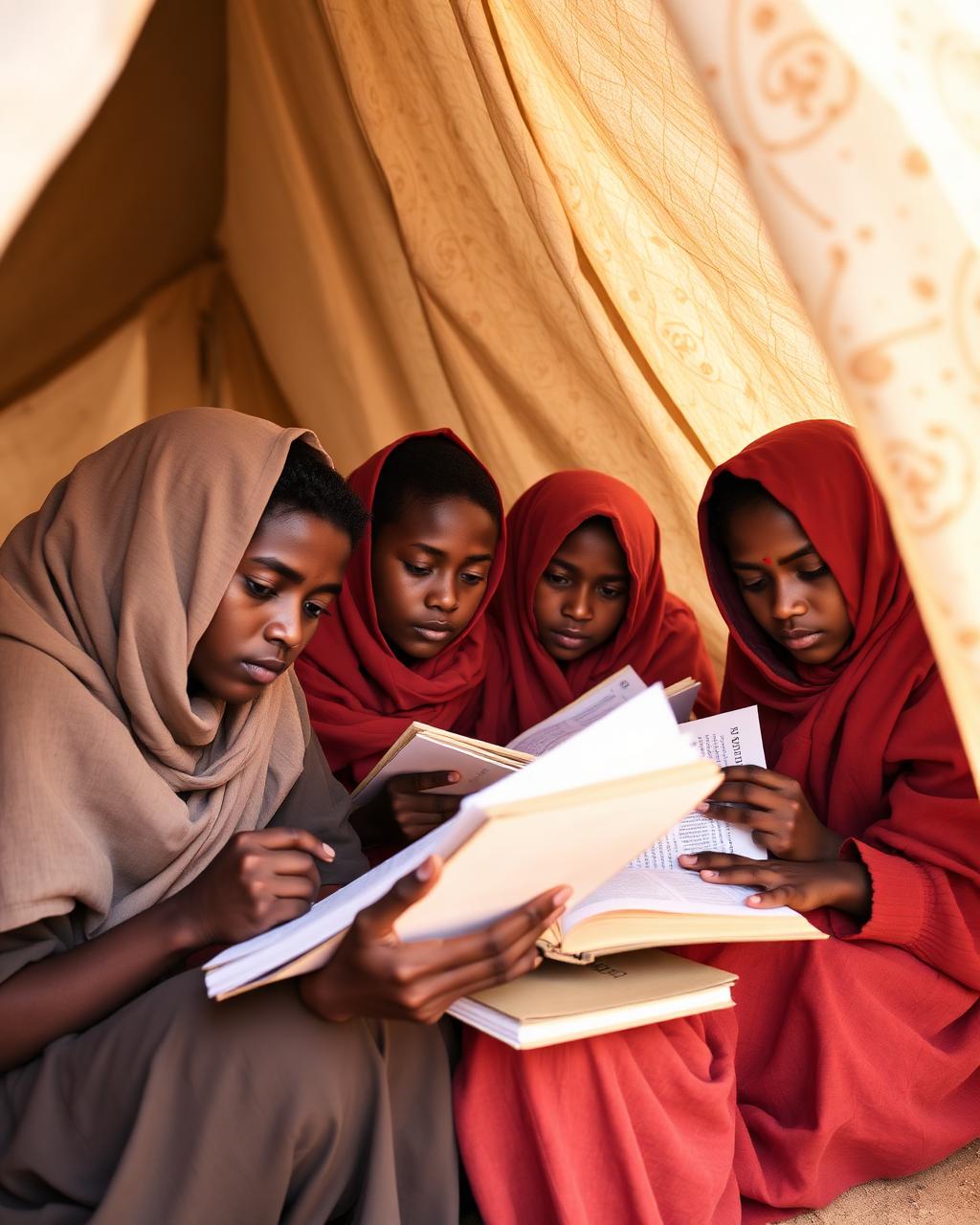
Supporting learning continuity for displaced and conflict-affected students through adaptable learning resources and local educator support.
India
Developing practical trade and livelihood skills that help women build income, independence, and sustainable futures.
To Be Announced
Expanding workforce readiness alongside access to sport, athlete healthcare, and opportunities for young people to compete and connect.
Project Spotlights

Costa Rica
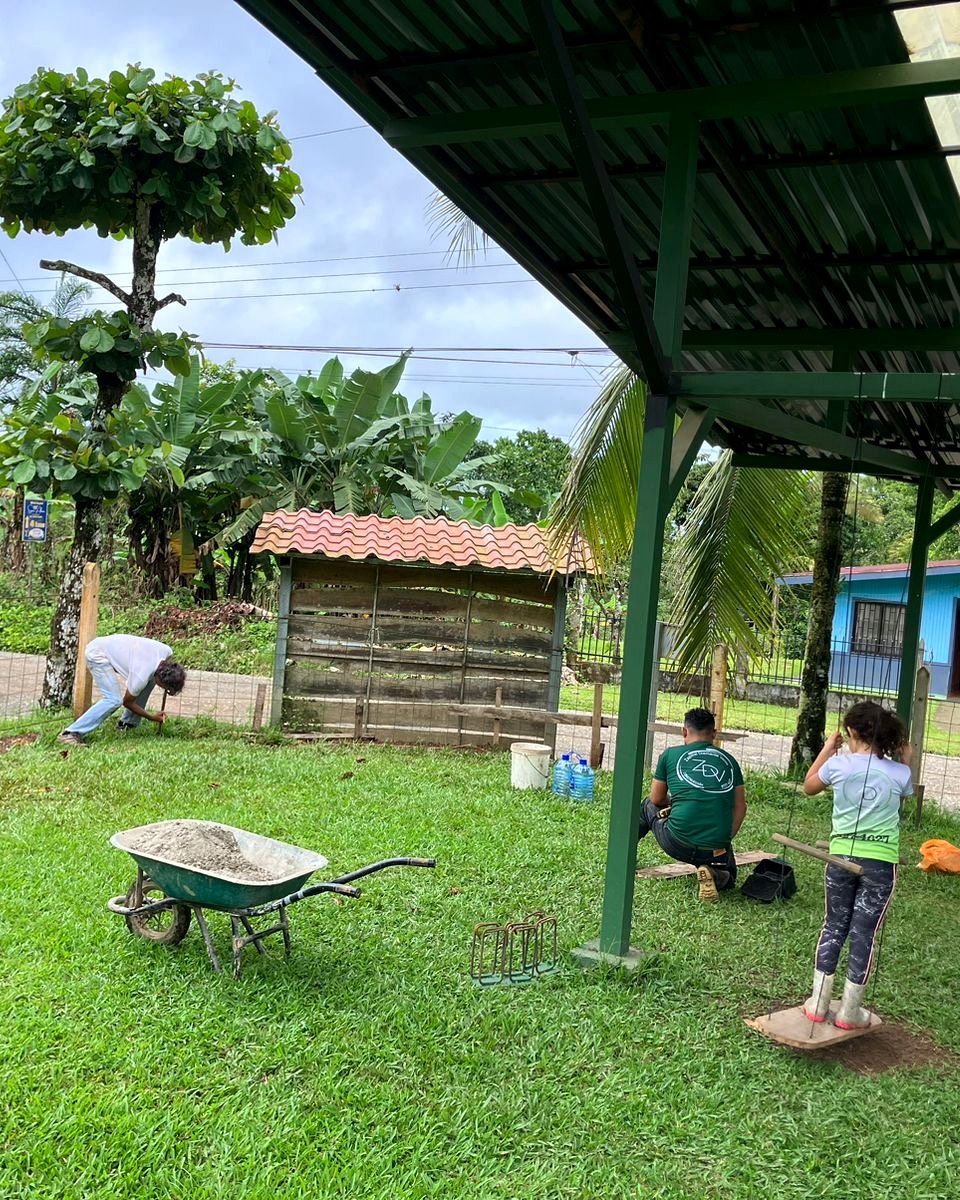
PlayForward is a community-led initiative focused on strengthening recreation, public well-being, environmental responsibility, and resilient community infrastructure. Current exploration includes the feasibility and community value of a recycling center alongside opportunities for outdoor engagement and locally sustained development.
Community members have identified limited safe recreation space and the absence of a local recycling pathway as shared priorities for household well-being and environmental quality.
PlayForward aligns with the United Nations Sustainable Development Goals, particularly SDGs 3, 11, 12, 13, and 17. Through community recreation, environmental education, infrastructure planning, and the exploration of a community recycling center, the initiative supports public well-being, responsible resource use, local climate action, and resilient community development.
This alignment provides an internationally recognized framework for establishing project outcomes and measuring impact. However, PlayForward remains community-led and designed around locally identified priorities, long-term stewardship, and the needs of the people it is intended to serve.
Progress
Follow project milestones, field activity, research findings, partnership developments, and progress toward implementation.

Research and Assessment
Update forthcoming • PlayForward • Costa Rica
Local priorities and site conditions are being reviewed to determine feasibility and community value.
Field Update
Update forthcoming • PlayForward • Costa Rica
A community recycling pathway has been identified for assessment alongside environmental education activity.

Implementation Update
Update forthcoming • Speak to the World • Afghanistan
Learning access, teacher resources, and technology requirements remain under active review.
Partner With Us
Our projects advance through a combination of local leadership, institutional partnership, technical expertise, in-kind support, and philanthropic investment. Organizations and individuals may support a specific initiative or contribute where resources are needed most.
Support a specific project, development stage, deliverable, or location.
Help fund community assessments, project research, feasibility work, data collection, and local engagement.
Contribute engineering, architecture, environmental, education, workforce, technology, finance, legal, or other professional expertise.
Contribute equipment, software, transportation, materials, facilities, communications support, or professional services.
Help fund the fellows, analysts, researchers, training, field placements, travel, collaboration tools, and certification connected to project development.
Explore a structured, multi-year relationship across one or more projects or program areas.
Your contribution helps TOMA BAṜRE Education advance locally led education, workforce, humanitarian, environmental, and community infrastructure initiatives. Choose a featured project or contribute where support is needed most.
Unrestricted gift: your contribution will be applied where support is needed most.
Impact Feature
Small administrative changes can help create meaningful change elsewhere. Revenue generated through eligible candidate-requested examination quote revision fees helps TOMA BAṜRE Education advance community-led education, workforce, environmental, and infrastructure initiatives.
Quote Revision Fees are administrative service fees and are separate from optional charitable contributions. Corrections required because of an error made by TOMA BAṜRE Education are completed at no charge.
Propose a Project
TOMA BAṜRE Education considers community-led initiatives that demonstrate local support, responsible leadership, measurable need, financial transparency, and the potential for sustainable impact. Meeting the eligibility requirements allows a project to be reviewed but does not guarantee acceptance, funding, or implementation.
01
The proposed project must demonstrate meaningful local support through community participation, local leadership, volunteer involvement, institutional cooperation, land access, or municipal partnership. TBE supports community-led solutions rather than imposing externally designed projects.
02
The initiative must already be underway or have reached an advanced planning stage. A clearly identified local project lead, community representative, or implementing organization must be in place.
03
Applicants must provide access to relevant budgets, cost estimates, funding commitments, anticipated expenses, and remaining funding gaps. Clear financial documentation is required to support accountability to TBE, fellows, donors, and funding partners.
04
TBE serves as a strategic and structured partner, not necessarily the project's sole funder. Applicants should demonstrate existing contributions, diversified support, in-kind resources, or a realistic plan for securing additional funding.
05
Projects must have clearly defined objectives, beneficiaries, deliverables, timelines, and measurable outcomes. Selected partners must participate in agreed reporting, documentation, evaluation, and impact-measurement activities.
06
Projects involving construction, equipment, technical systems, or specialized services must engage appropriately qualified professionals. Depending on the project, this may include engineers, architects, educators, healthcare professionals, skilled tradespeople, consultants, or other subject-matter experts.
07
Applicants must explain how the project will be maintained after initial implementation, who will be responsible for its continued operation, and how the community will benefit over time. Infrastructure projects may require structured updates and impact reporting for up to 10 years.
Eligibility review does not constitute a promise of funding, fiscal sponsorship, technical services, fellowship placement, or project acceptance.
Governance
Step 1
The applicant provides an overview of the community need, location, intended beneficiaries, local leadership, budget, and current development stage.
Step 2
TBE evaluates the proposal against its community support, feasibility, governance, financial transparency, impact, and stewardship requirements.
Step 3
Additional documents, interviews, site information, professional assessments, safeguarding information, or financial records may be requested.
Step 4
An eligible initiative may be accepted for further research, fellowship support, technical assistance, partnership development, fundraising, phased implementation, or long-term monitoring.
Step 5
Responsibilities, deliverables, financial controls, communications, safeguarding requirements, use of funds, reporting expectations, and project ownership are documented before work begins.
Projects may be declined, deferred, returned for additional development, or accepted into a specific phase of the TBE project framework. Acceptance does not automatically mean that TBE will serve as the sole funder or implementing organization.
Submit your initiative for eligibility review and potential consideration within TOMA BAṜRE Education's Global Project Portfolio.
Fund a project, provide technical expertise, contribute in-kind resources, sponsor research, or explore a long-term institutional partnership.